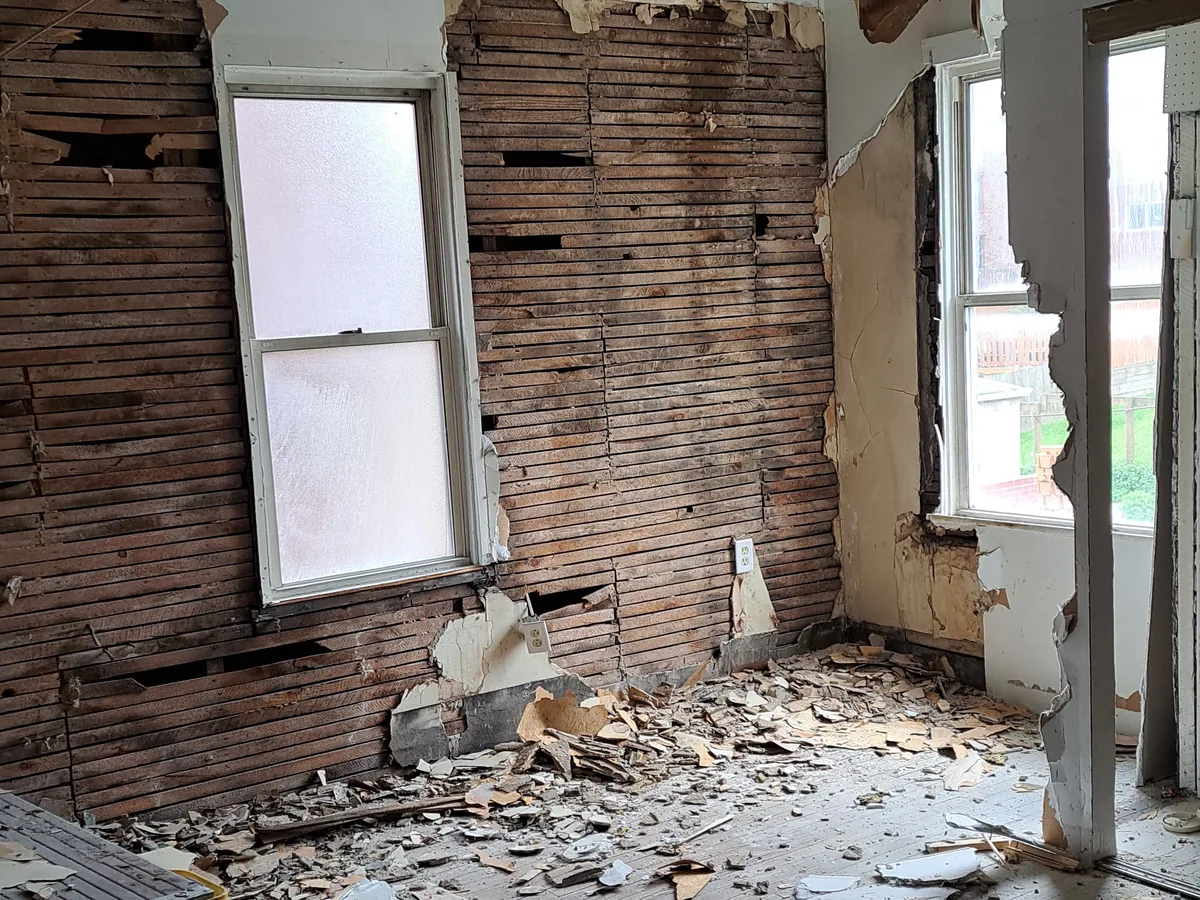
Interior Demolition
Interior demolition for contractors, investors and homeowners around Pittsburgh. We gut houses down to the studs, and on selective jobs we take out only what has to go.
Learn More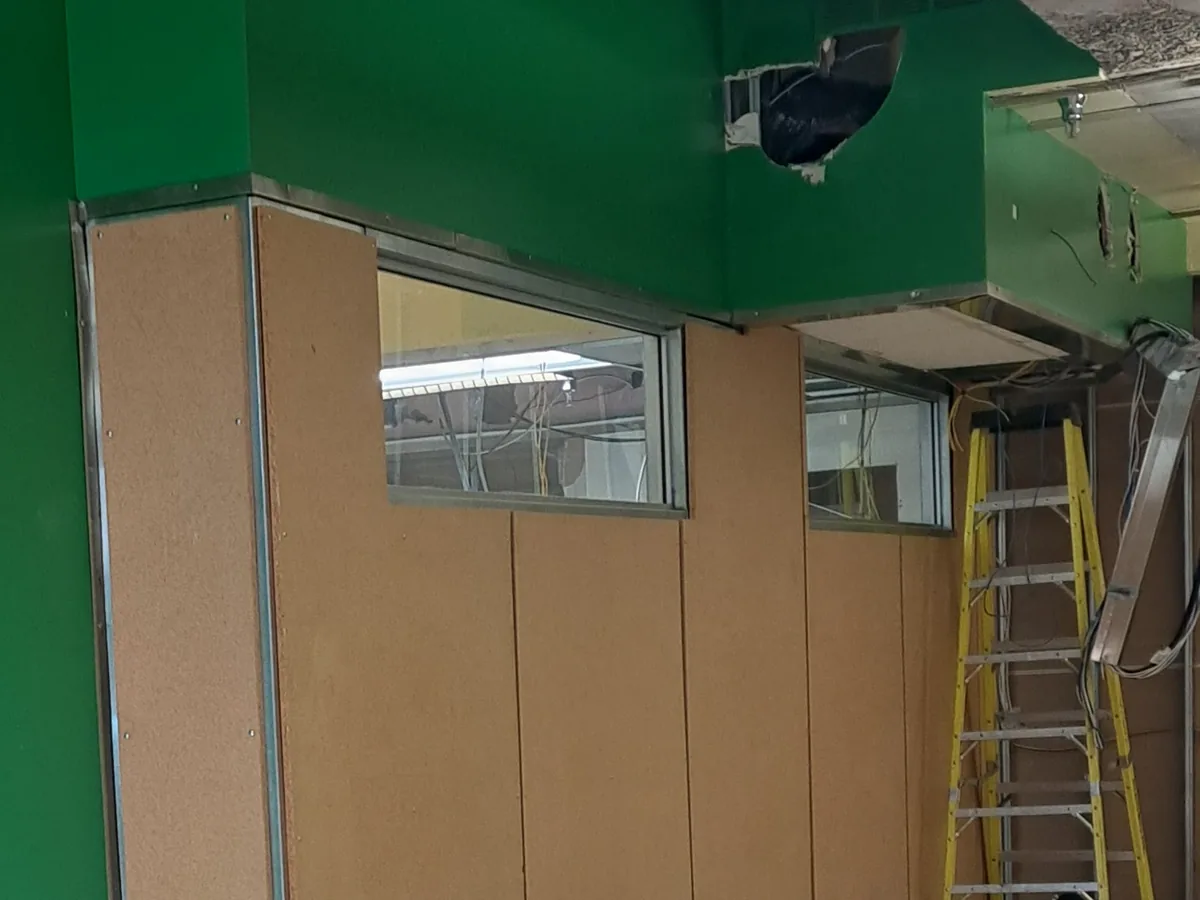
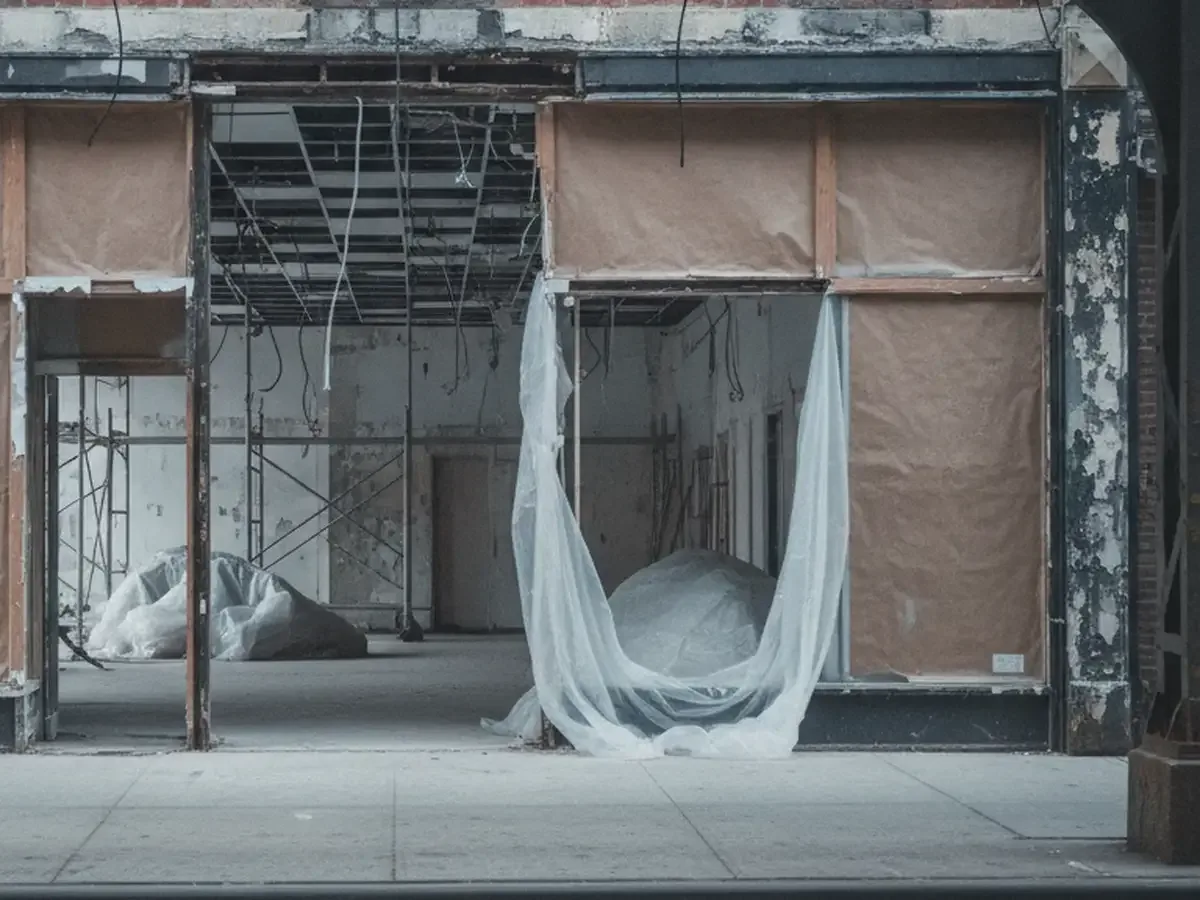
Commercial demolition is mostly inside work. A tenant moves out, an owner buys the building, or a space has to be cleared before a build-out starts. We strip commercial interiors back to the shell and take out boilers, furnaces and other mechanicals. Small commercial structures come down whole. Davis Demolition and Masonry is based in Pittsburgh and works about 40 miles around.
Property owners, landlords, building managers, general contractors and tenants clearing a space all call us. Inside the city we hold the City of Pittsburgh general contractor license that the city requires for demolition permits. We have been in the demolition business since 2001. Residential gut-outs live on our interior demolition page.
Tell us about the job. We will call or text you back.
A strip out takes the space back to what the building is made of. Partitions, ceilings, flooring, doors and casework come out. Old finishes go with them. What is left is the structure, the exterior walls and the floor slab.
Most commercial spaces are not empty when the work starts. The sprinkler main, the fire alarm, the panel feeding the rest of the building and the roof drains often stay. We have a building background, so we know how the pieces tie together. That is what keeps a strip out from cutting something the building still needs.
Selective demolition is the same work with a tighter line around it. An owner keeps one tenant running while the space next door is gutted. A general contractor needs three walls out and the fourth left alone. We mark what stays before anything comes down, then work to that line.
Plenty of older commercial buildings still run on a big boiler. Getting one out is its own job, and the first step is not ours. Gas, oil and electric feeds get shut off and capped by licensed trades, outside the building line. OSHA's demolition rules call for that before demolition starts, with the utility companies notified.
Asbestos comes next, and EPA lists pipe, furnace and boiler insulation among the materials that commonly contain it. On a commercial building an asbestos survey by a licensed building inspector is required before demolition. Anything found is removed first by an ACHD-licensed asbestos abatement contractor. We start once that work is cleared.
Then the cast iron boiler comes apart, unbolted and cut down into sections small enough to carry. Steel tanks, headers and pipe go out the same way. Scrap steel, copper and cast iron are recycled, which EPA counts among the valuable material recovered from demolition. The pad it sat on comes out too, which is concrete removal work.
Inside city limits the City of Pittsburgh requires a general contractor license for commercial demolition permits, and we hold it. The same license covers work under a commercial building application. Non-structural interior demolition goes through a building and development application at PLI rather than a demolition permit. Outside the city, each borough and township code office sets its own requirements.
The Allegheny County Health Department regulates all forms of asbestos. Commercial, institutional, public and industrial structures are all covered. A survey is required, and notice goes to ACHD and EPA ten days before demolition, even when nothing is found. The exemption for private homeowners does not reach a commercial building.
Most commercial jobs happen while something else is still running. A store stays open next door, or tenants upstairs keep their lease. We work with building management on access, the freight elevator and when the loud work happens. Dust gets contained, and debris goes out on the same debris removal and hauling we run on every job.
We look at the job and give you a price before any work starts, across Pittsburgh, the South Hills, the eastern suburbs and about 40 miles around.
(412) 720-1866From the first call to a clean site at the end, here is how it goes.
Call or text (412) 720-1866, or send the form. Tell us what is coming down and where it sits.
We come out and go over what is being removed, what it is built of and the access. You get a price before any work starts.
We go over what your municipality requires and who handles each step. Utility shutoffs, One Call marking and any asbestos survey happen before demolition starts.
The teardown or the masonry repair gets done. We keep you posted during the job and handle added scope as it comes up.
Construction and demolition debris is loaded out and hauled away. On a teardown the lot can be graded, topsoiled and seeded.
Common questions about commercial demolition across Pittsburgh, the South Hills, the eastern suburbs and about 40 miles around. If yours is not here, call and ask.
Interior demolition for contractors, investors and homeowners around Pittsburgh. We gut houses down to the studs, and on selective jobs we take out only what has to go.
Learn More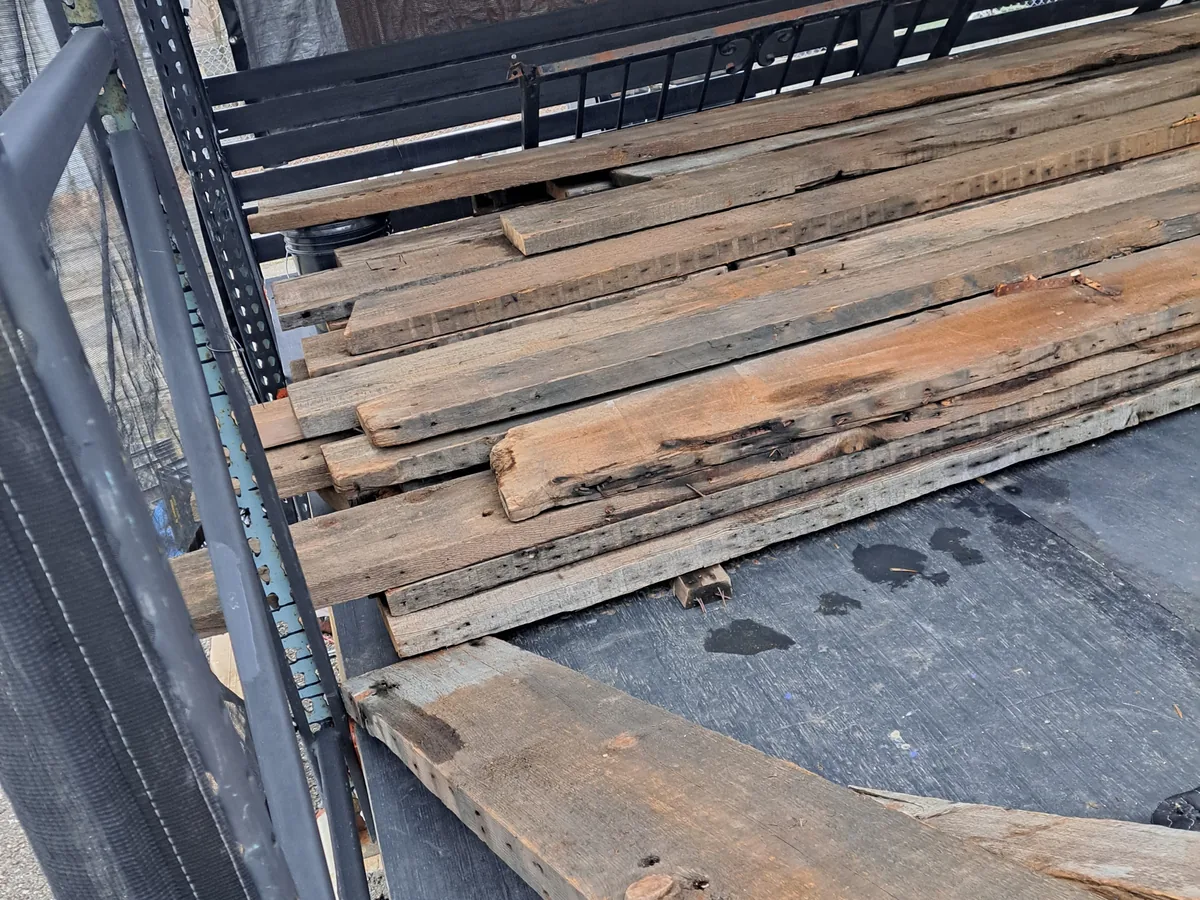
We load and haul construction and demolition debris across Pittsburgh and about 40 miles around. Houses, garages and basements get cleared out, and clean fill gets hauled.
Learn More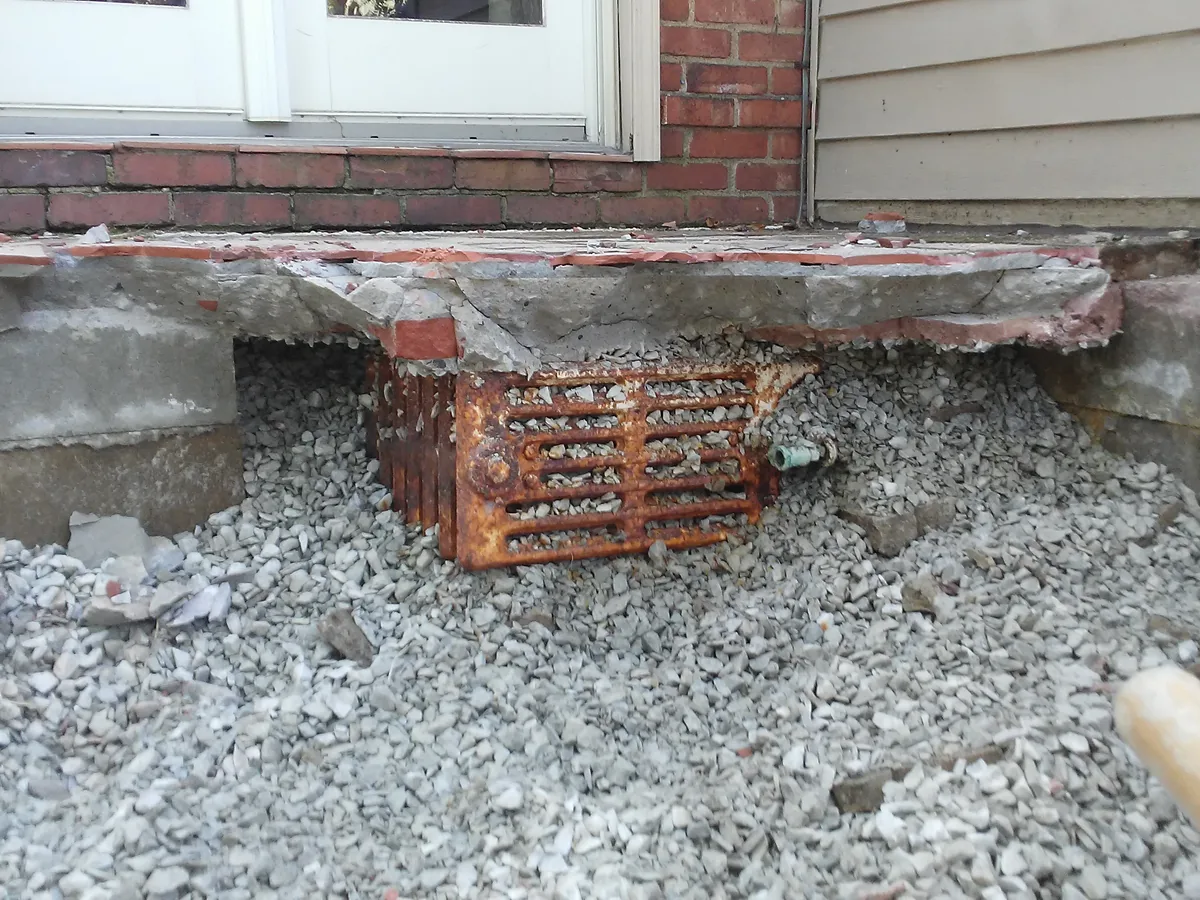
Concrete removal around Pittsburgh for driveways, patios, sidewalks, slabs, steps and old footings. We break the concrete out with air jackhammers and machines, haul it off and leave the ground graded.
Learn MoreDemolition is the main line of work at Davis Demolition and Masonry. Houses, garages, sheds, interior gut outs, concrete and commercial interiors are the everyday jobs.
We hold the City of Pittsburgh general contractor license the city requires for demolition permits. We are an EPA Lead-Safe Certified Firm and a registered Pennsylvania home improvement contractor.
A building background sits behind the demolition work. On an interior job that decides what comes out and what gets left standing.
A failed wall or chimney can come down and go back up with the same company. Debris leaves with us, and the site is left clean at the end.
Tell us what is coming down, what it is built of and where it sits. Call or text (412) 720-1866, or send the form with what you need taken down.
Tell us about the job. We will call or text you back.