Brick Pointing
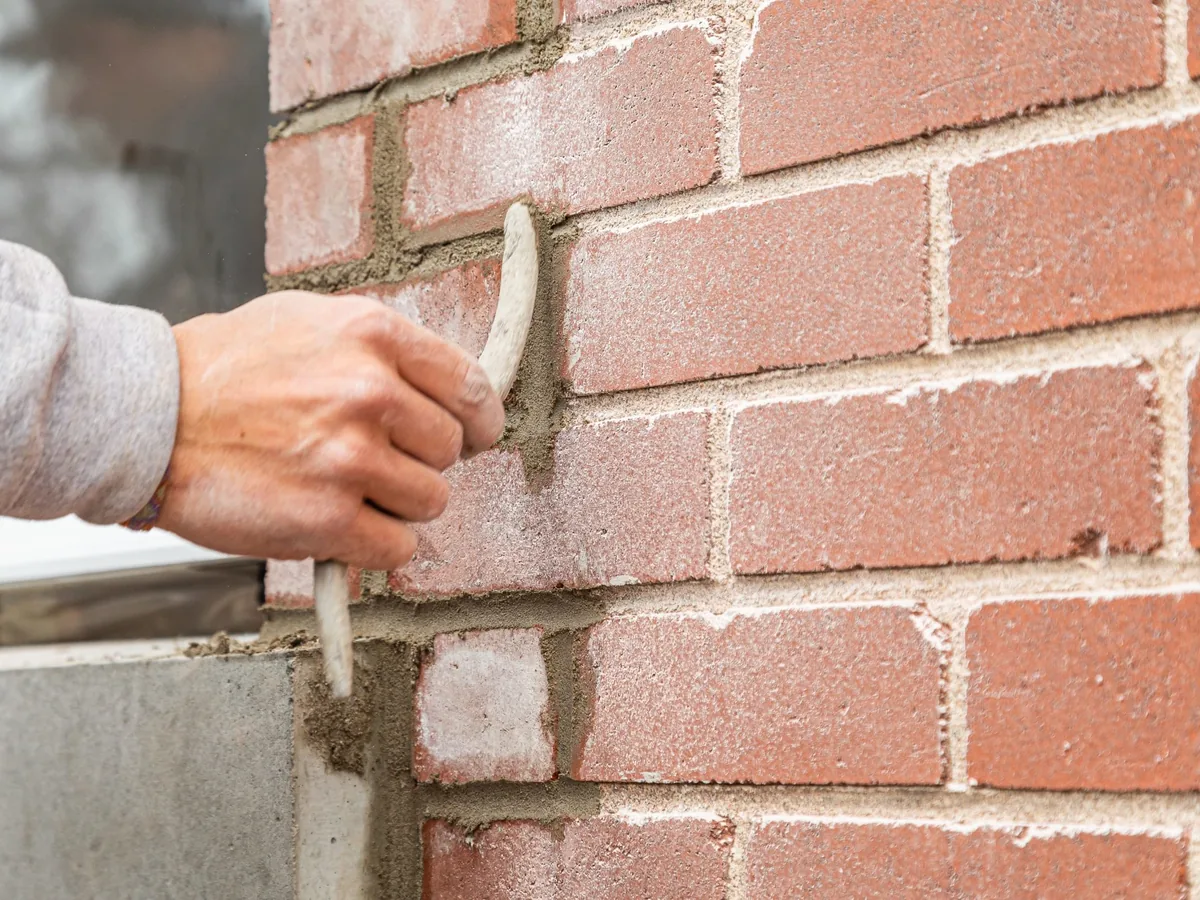
Brick pointing for houses, garages and chimneys around Pittsburgh. We cut the failed mortar out of the joints and repoint them with mortar matched to the wall.
Learn More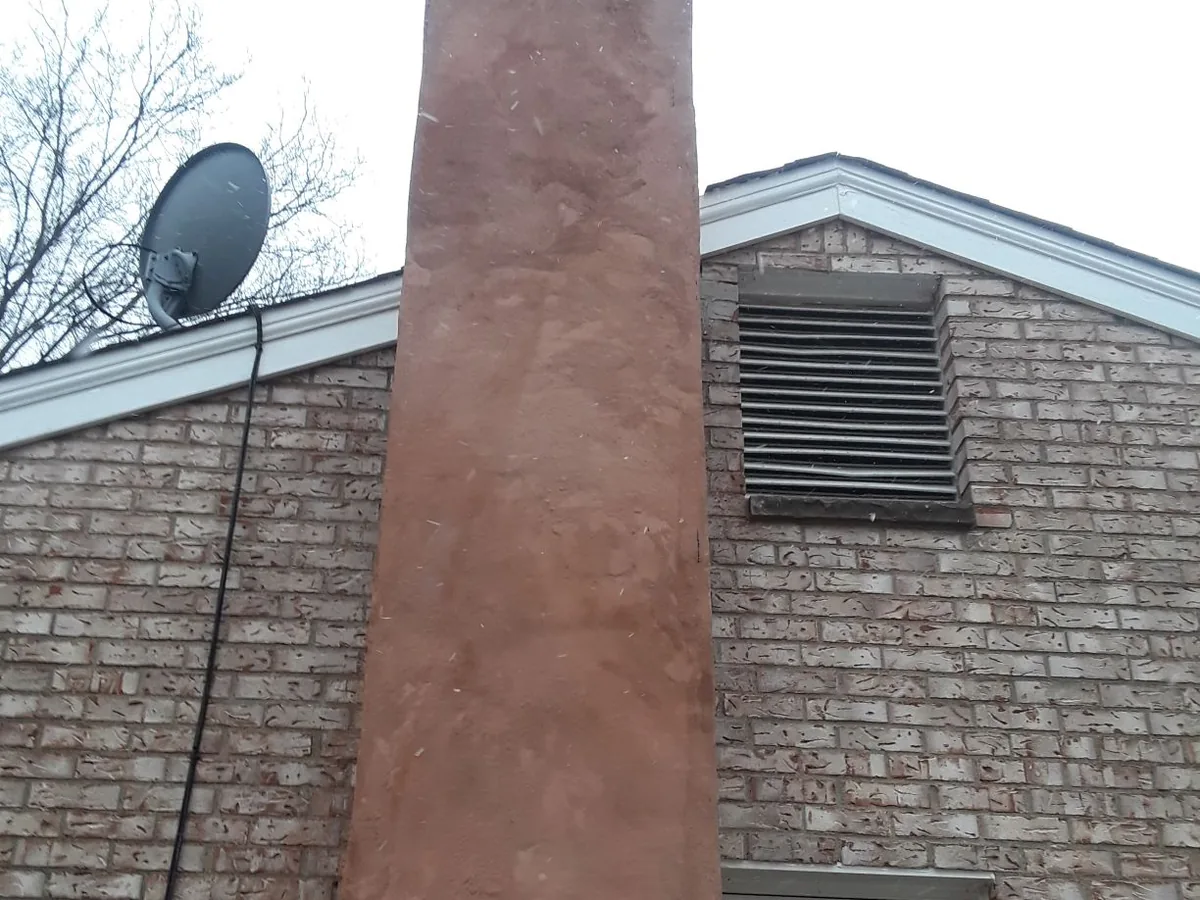
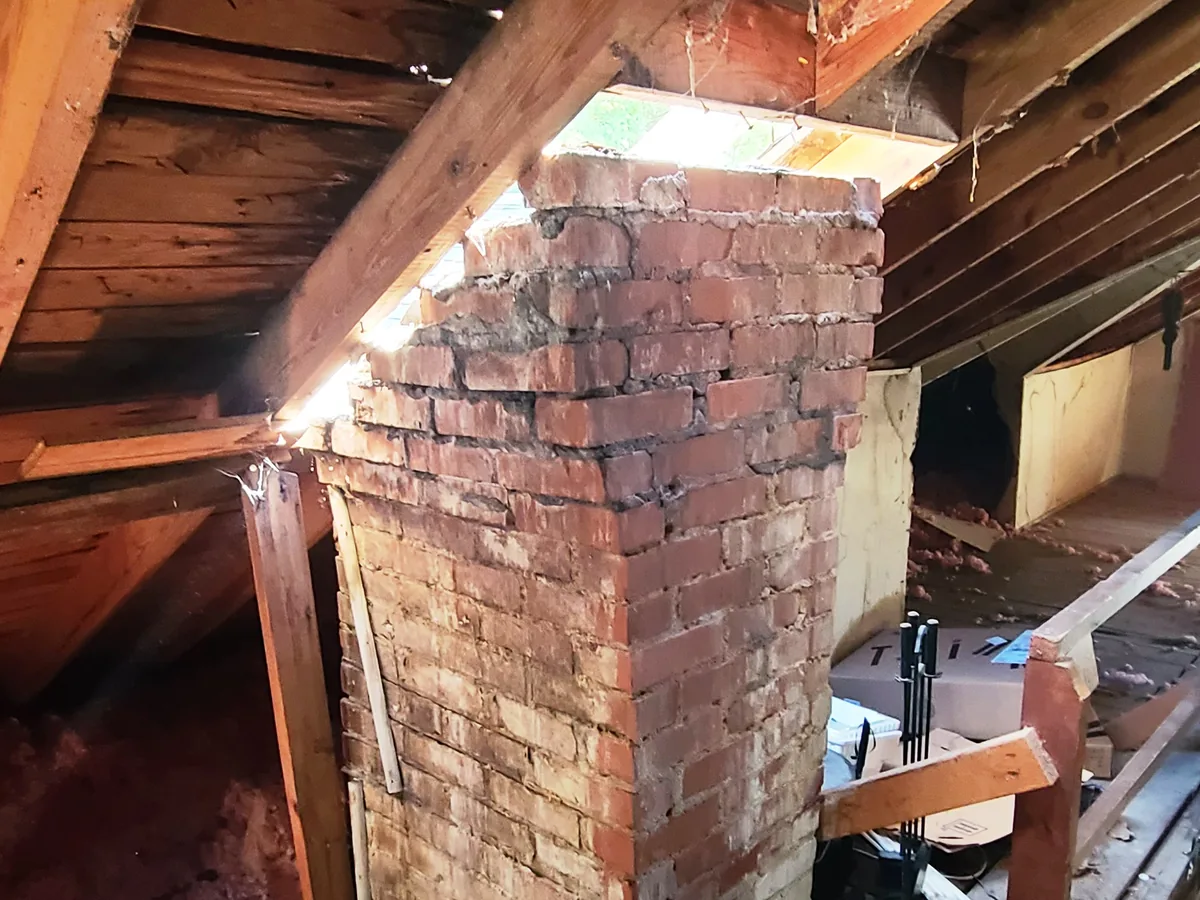
Chimney repair is masonry work. The mortar washes out of the joints first. Then the brick faces pop off, and the stack starts to lean. We repoint chimneys, rebuild them from the roofline up, build new crowns, and take chimneys down when they are finished. Davis Demolition and Masonry is based in Pittsburgh and works about 40 miles around. We have been in the demolition business since 2001.
Demolition and masonry sit under one company here. On a chimney that matters, because much of the job is taking something apart first. Sweeping, liners and flue inspections are a certified chimney sweep's work, not ours. Ours is the brick, the block, the mortar and the crown. We are a registered Pennsylvania home improvement contractor, PA HIC registration PA074091. For the walls below the roof, see our masonry contractor page.
Tell us about the job. We will call or text you back.
A chimney takes weather on all four sides. The walls of the house get some cover from the roof and the eaves. The stack gets none. Pittsburgh winters freeze and thaw over and over, and that is hard on mortar.
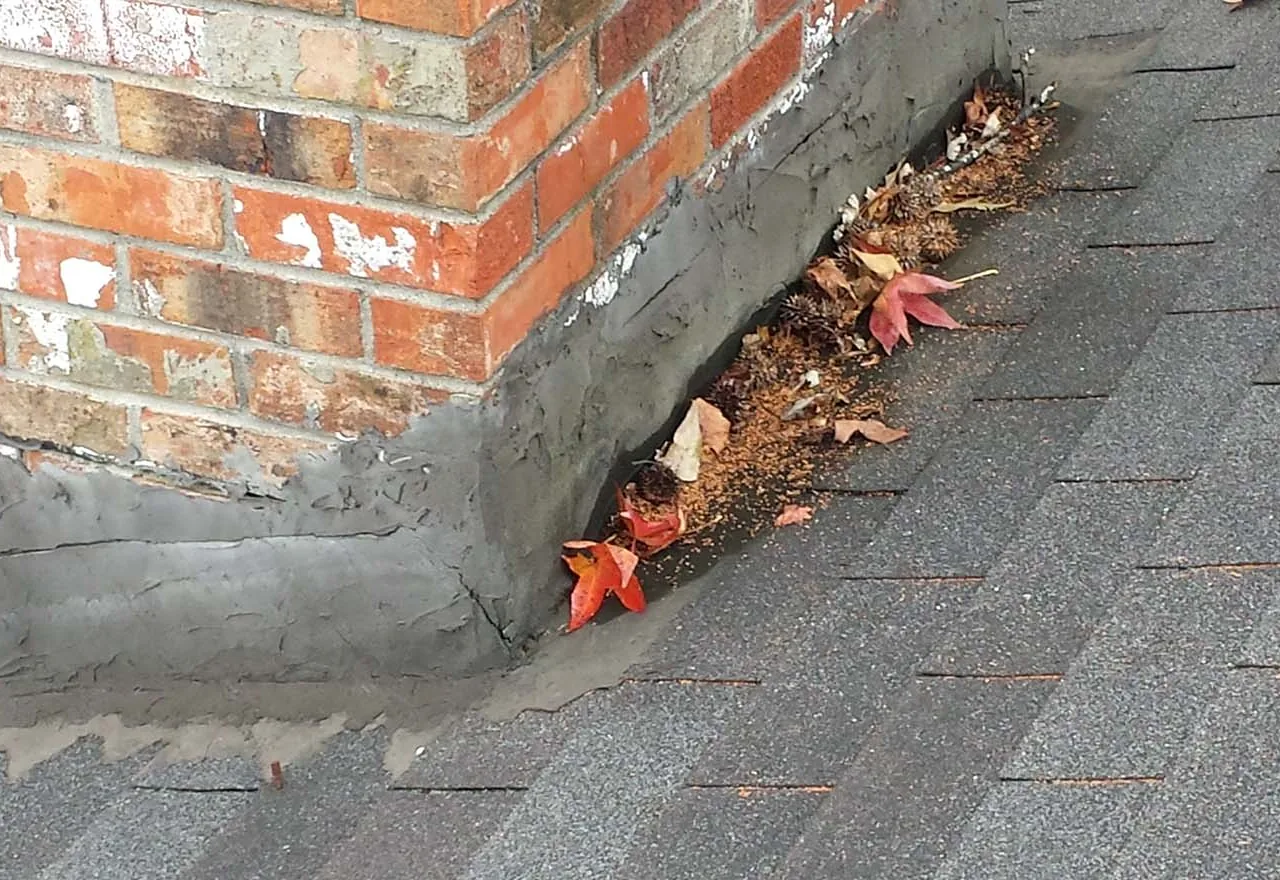
Water sitting in an open joint does the damage. It freezes, opens the joint wider, and takes the face off the brick. National Park Service guidance on repointing says to deal with the source of the water first. Leaking gutters, bad flashing and a broken crown keep the masonry wet. Fresh mortar will not hold on a wet wall.
Repointing is the fix while the brick itself is sound. Joints get raked out to two to two and a half times the joint width. In most brick that is about half an inch to an inch deep. Then they are packed with mortar matched to the old work. Our brick pointing page covers the walls below.
Most rebuilds start at the roofline. The part above the roof takes the weather and goes first. The brick below is often still sound. We take the stack down course by course to solid masonry, then lay it back with matching brick.
The crown on top is the piece that gets skipped. The residential code calls for a concrete, metal or stone cap, sloped to shed water, with a drip edge. A cracked crown sends water straight into the middle of the stack. Height is set by code as well. A chimney has to finish at least 3 feet above where it passes through the roof. It also has to stand 2 feet above any part of the building within 10 feet.
Building a chimney starts lower down. A masonry chimney sits on its own concrete or masonry footing. Code puts that footing at least 12 inches thick and below the frost line. The walls are solid masonry at least 4 inches thick. Flashing where the stack meets the roof is a roofer's item. Your code office has the last word on what a rebuild has to meet.
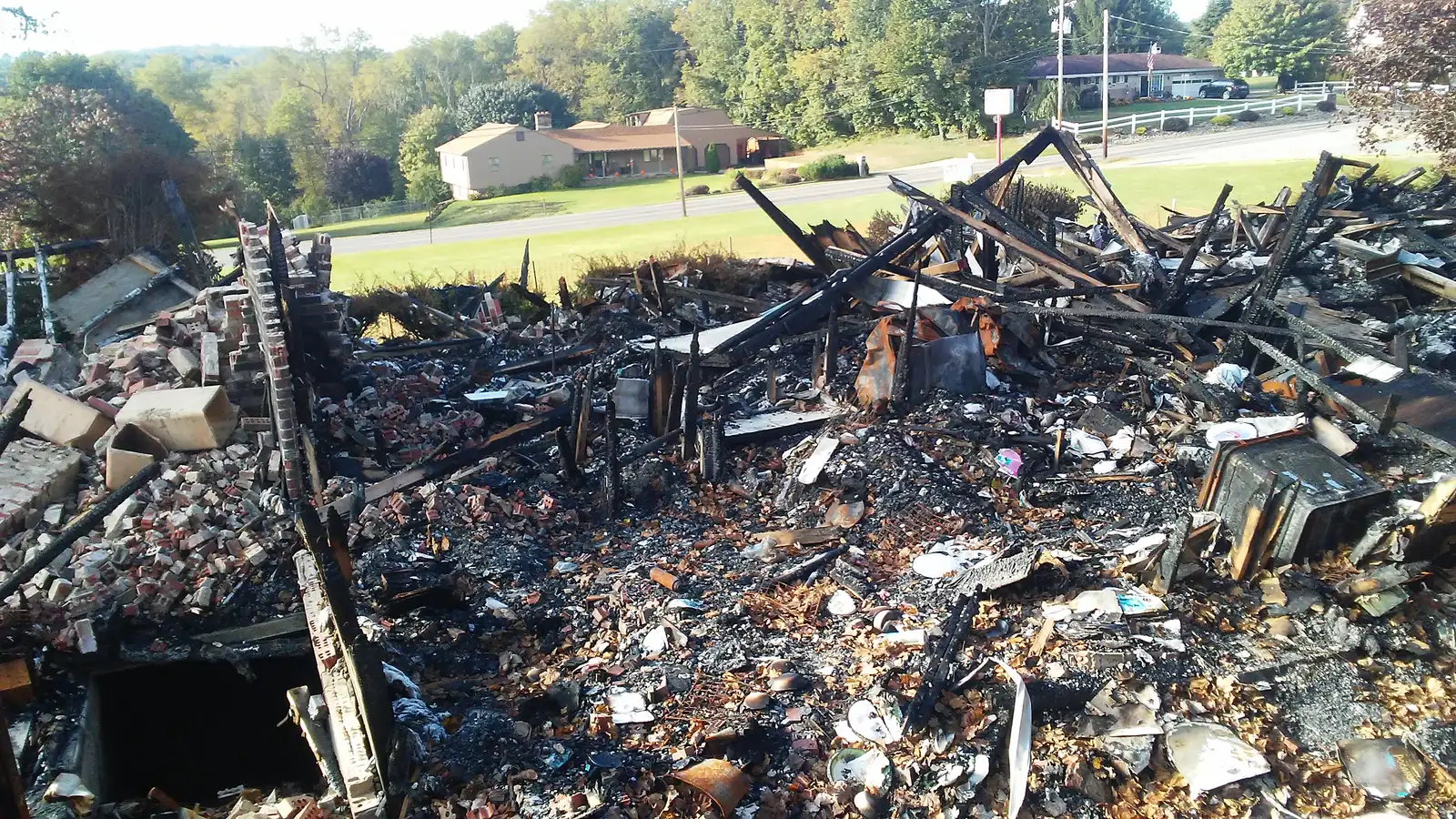
Plenty of chimneys around Pittsburgh are not used any more. Much of the housing stock here went up before 1940, when stacks carried stoves, furnaces and fireplaces. When one of those is cracked, leaning or dropping brick onto the roof, removal is often the better call.
The first question is where to stop. A partial removal takes the stack down below the roofline. A roofer then frames the deck over and patches it. A full removal takes the chimney out through the floors down to the footing in the basement. Openings left in floors and ceilings get framed and closed by a carpenter.
The work itself is hand work off scaffolding or the roof. Brick comes down in courses and is lowered rather than dropped. Code keeps combustible framing back 2 inches from a chimney inside the house. We look at what is tied into the stack before anything moves. Brick and mortar go out on the same debris removal and hauling we run on demolition jobs. The site is left clean.
We look at the job and give you a price before any work starts, across Pittsburgh, the South Hills, the eastern suburbs and about 40 miles around.
(412) 720-1866From the first call to a clean site at the end, here is how it goes.
Call or text (412) 720-1866, or send the form. Tell us what is coming down and where it sits.
We come out and go over what is being removed, what it is built of and the access. You get a price before any work starts.
We go over what your municipality requires and who handles each step. Utility shutoffs, One Call marking and any asbestos survey happen before demolition starts.
The teardown or the masonry repair gets done. We keep you posted during the job and handle added scope as it comes up.
Construction and demolition debris is loaded out and hauled away. On a teardown the lot can be graded, topsoiled and seeded.
Common questions about chimney repair across Pittsburgh, the South Hills, the eastern suburbs and about 40 miles around. If yours is not here, call and ask.
Brick pointing for houses, garages and chimneys around Pittsburgh. We cut the failed mortar out of the joints and repoint them with mortar matched to the wall.
Learn More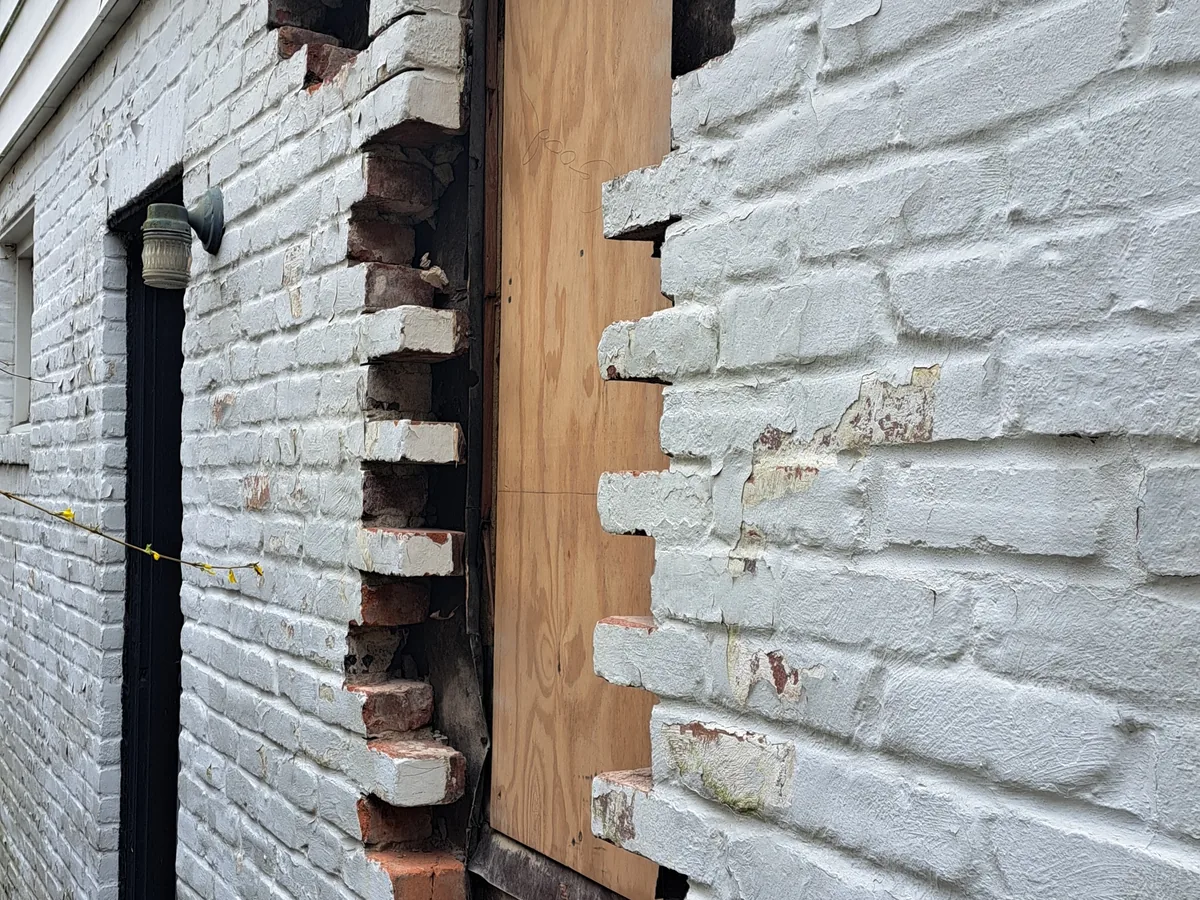
Brick repair on houses, garages and small commercial buildings around Pittsburgh. We cut out spalled, cracked and loose brick, set matching brick in its place, and rebuild wall sections, piers and steps.
Learn More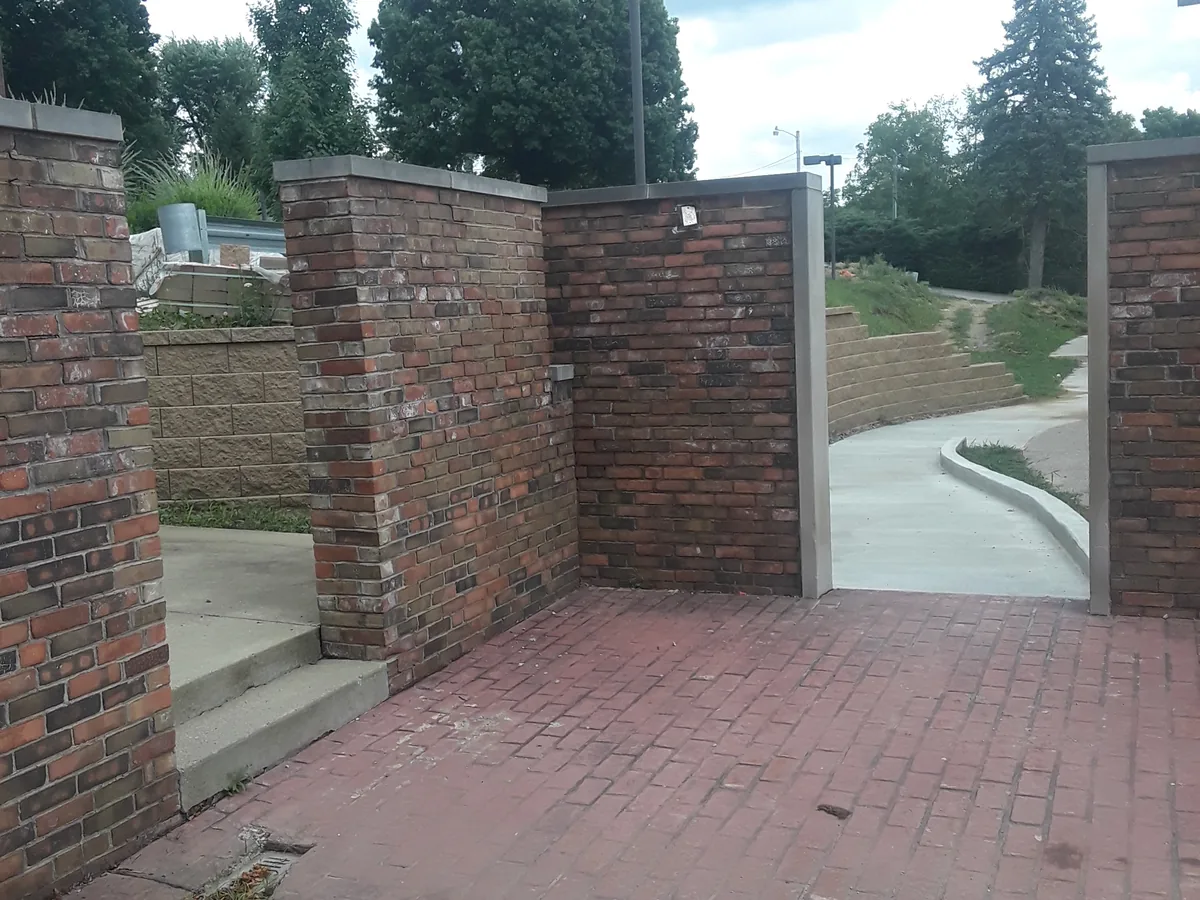
We do brick, block and stone work across Pittsburgh and about 40 miles around. Brick pointing and brick repair are the core, along with chimneys, stucco, retaining walls, small concrete work and foundation walls.
Learn MoreDemolition is the main line of work at Davis Demolition and Masonry. Houses, garages, sheds, interior gut outs, concrete and commercial interiors are the everyday jobs.
We hold the City of Pittsburgh general contractor license the city requires for demolition permits. We are an EPA Lead-Safe Certified Firm and a registered Pennsylvania home improvement contractor.
A building background sits behind the demolition work. On an interior job that decides what comes out and what gets left standing.
A failed wall or chimney can come down and go back up with the same company. Debris leaves with us, and the site is left clean at the end.
Tell us what is coming down, what it is built of and where it sits. Call or text (412) 720-1866, or send the form with what you need taken down.
Tell us about the job. We will call or text you back.